 Chat with us
Call us now :08071780400
 Send Inquiry
 Send Inquiry
Lauric Acid
Price 200.0 INR/ Gram
MOQ : 100 Grams
Lauric Acid Specification
- HS Code
- 29159030
- Ph Level
- Not Applicable (insoluble in water)
- Melting Point
- 43-46C
- Ingredients
- C12H24O2 (Dodecanoic acid)
- Shelf Life
- 2 Years
- Application
- Used in the manufacture of soaps, detergents, cosmetics, food additives, and as an intermediate in chemical synthesis
- Structural Formula
- CH3(CH2)10COOH
- Taste
- Characteristic
- Appearance
- Powder
- Poisonous
- Non-poisonous
- Shape
- Powder/flake
- EINECS No
- 205-582-1
- Storage
- Store in a cool, dry, and well-ventilated area away from heat and sources of ignition
- Properties
- Lauric Acid is a saturated fatty acid with a 12-carbon atom chain. It appears as a white powder or flakes, insoluble in water, and soluble in organic solvents such as ethanol, ether, and chloroform.
- Molecular Formula
- C12H24O2
- Product Type
- Pure
- Usage
- Surfactant, emulsifier, raw material in personal care, and food processing
- CAS No
- 143-07-7
- Smell
- Characteristic fatty odor
- Physical Form
- Granule
- Grade
- Industrial, Food Grade
- Purity
- 99%
- Density
- 0.880 Gram per cubic centimeter(g/cm3)
- Refractive Rate
- 1.429 (for melted lauric acid)
- Molecular Weight
- 200.32 g/mol
- Solubility
- Insoluble in water, soluble in ethanol, diethyl ether, chloroform, and hot benzene
- Stability
- Stable under normal conditions
- Flash Point
- 160C (closed cup)
- UN Number
- Not regulated
- Minimum Order Quantity
- 25 kg
- Custom Tariff Number
- 29159030
- Manufacturing Process
- Fractionation of coconut or palm kernel oil
- Ecological Information
- Biodegradable and non-toxic to environment
- Packing
- Bags or drums, custom packaging available
- Boiling Point
- 298.9C at 1013 hPa
- Compatibility
- Compatible with alkaline substances and most organic solvents
- Usage Precautions
- Avoid contact with eyes and prolonged skin exposure
- Free Fatty Acid Content
- 99% (as lauric acid)
- Iodine Value
- 0.1 g I2/100g
- Acid Value
- 276-282 mg KOH/g
- Peroxide Value
- Max 1.0 meq O2/kg
- Hazard Class
- Not classified as hazardous
Lauric Acid Trade Information
- Minimum Order Quantity
- 100 Grams
- Payment Terms
- Cash in Advance (CID)
- Supply Ability
- 1000 Grams Per Month
- Delivery Time
- 7 Days
- Main Domestic Market
- All India
About Lauric Acid
Type of Material: Beads
Product Colour: White
Country of Origin: India
Shelf Life: 2 years
Common use: Lauric acid is commonly used in cosmetics for its antibacterial properties, moisturizing effects, cleansing abilities, and contribution to foaming in products like cleansers, soaps, and shampoos.
DESCRIPTION OF LAURIC ACID
Secondly, Lauric acid acts as an emollient, meaning it helps to soften and moisturize the skin. It forms a protective barrier on the skin's surface, preventing moisture loss and keeping the skin hydrated. This makes it beneficial in moisturizers, lotions, and creams, particularly for dry or dehydrated skin.
USES OF LAURIC ACID
- Antibacterial Properties: Lauric acid possesses strong antibacterial properties, making it effective against acne-causing bacteria and other pathogens on the skin.
- Moisturizing Agent: It acts as an emollient, helping to soften and moisturize the skin by forming a protective barrier that prevents moisture loss.
- Cleansing Agent: Lauric acid helps to dissolve dirt, oil, and impurities from the skin, making it a common ingredient in facial cleansers, body washes, and soaps.
- Foaming Agent: It contributes to the foaming properties of cosmetic products, particularly in cleansers and shampoos, helping to create a rich lather for effective cleansing.
- Stabilizer: Lauric acid helps to stabilize cosmetic formulations, ensuring the consistency and integrity of the product over time, which is important for maintaining its effectiveness and shelf life.
BENEFITS OF LAURIC ACID
- Antibacterial Action: Lauric acid exhibits strong antibacterial properties, helping to combat acne-causing bacteria and other harmful pathogens on the skin's surface.
- Moisture Retention: As an emollient, Lauric acid helps to lock in moisture, keeping the skin hydrated and preventing dryness and flakiness.
- Skin Cleansing: Lauric acid aids in dissolving dirt, oil, and impurities from the skin, effectively cleansing pores and preventing breakouts.
- Gentle Exfoliation: It promotes gentle exfoliation by removing dead skin cells, resulting in a smoother and brighter complexion.
- Enhanced Skin Barrier: Lauric acid helps strengthen the skin's natural barrier function, protecting it from environmental stressors and reducing the risk of irritation and sensitivity.
USAGE RATE OF LAURIC ACID
The usage rate of Lauric acid in cosmetic formulations can vary depending on the specific product and its intended purpose. Here are some general guidelines:
- Skin Care Products: Typically, Lauric acid is used at concentrations ranging from 1% to 5%.
- Hair Care Products: It's commonly used at concentrations of 0.5% to 2%.
- Cleansers and Soaps: Lauric acid can be used at concentrations of 5% to 20%, depending on the desired cleansing and foaming properties.
- Emulsions and Creams: Usage rates of Lauric acid in emulsions and creams may range from 1% to 5%, depending on the formulation requirements.
- Specific Treatments: For spot treatments or targeted formulations, the concentration of Lauric acid may be higher, up to 10% or more, but this should be determined through careful formulation and testing.
These percentages are approximate and may need to be adjusted based on factors such as the desired properties of the final product, compatibility with other ingredients, and regulatory restrictions. It's essential to conduct stability testing and ensure compliance with regulations when formulating with Lauric acid.
PACKAGING
Artikamart's Lauric Acid is available in different pack sizes starting from 100g, 500g,1000g.
Bulk pack sizes are available in 5kg,10kg, 25kg and 50kg pack sizes.
Note: Actual Packaging may vary. For Indian orders, 500ml and 1L pack may be in 100% recyclable HDPE bottles for safety if deemed necessary.
STORAGE & CAUTION
It is recommended to store chemical ingredients in airtight containers in a cool dark place to preserve it's properties and maintain it's maximum shelf life.
It is meant for external purposes. Avoid direct exposure to sunlight. Do not let it come in direct contact with your eyes. Keep out of the reach of children.
For any query email us at help@artikamart.com
Versatile Applications Across Industries
Lauric Acid is valued for its versatility and is commonly used in the manufacture of soaps, detergents, cosmetics, and food additives. Its high purity and favorable properties also make it a critical component in chemical synthesis processes as an emulsifier and surfactant, benefiting both personal care and food processing sectors.
Superior Purity and Physical Properties
With a purity of 99%, Lauric Acid offers consistently high performance. The substance appears as a white granular powder or flakes, insoluble in water but readily soluble in organic solvents like ethanol and chloroform. It is non-poisonous, has a boiling point of 298.9C, and melts between 43-46C.
Safety, Storage, and Environmental Impact
Lauric Acid is not classified as hazardous, does not carry a UN number, and is non-toxic to the environment. It should be stored in a cool, dry, and well-ventilated area away from heat and ignition sources. As a biodegradable compound, it poses minimal ecological risk and is safe for routine handling with standard precautions.
FAQ's of Lauric Acid:
Q: How is Lauric Acid manufactured?
A: Lauric Acid is produced through the fractionation of coconut or palm kernel oil, resulting in a highly pure (99%) saturated fatty acid suitable for industrial and food applications.Q: What are the main uses and benefits of Lauric Acid?
A: Lauric Acid serves as a raw material in soaps, detergents, cosmetics, and food additives due to its effective surfactant and emulsifying properties. It is also used as an intermediate in chemical synthesis and enhances product stability and performance.Q: When and how should Lauric Acid be stored for maximum shelf life?
A: Lauric Acid should be stored in its original bag or drum packaging, in a cool, dry, well-ventilated area, away from heat and ignition sources. Proper storage extends its shelf life up to two years.Q: Where is Lauric Acid most compatible for use?
A: Lauric Acid is compatible with most organic solvents such as ethanol and chloroform, and with alkaline substances, making it flexible for a variety of chemical, food, and personal care applications.Q: What process precautions should be taken when using Lauric Acid?
A: To ensure safety, users should avoid direct contact with eyes and refrain from prolonged skin exposure. Adhere to standard handling procedures and wear appropriate protective equipment during use.Q: Is Lauric Acid considered hazardous or regulated for transport?
A: Lauric Acid is not classified as hazardous, is non-poisonous, and does not require a UN number, making it unregulated for standard transport and handling as per current safety guidelines.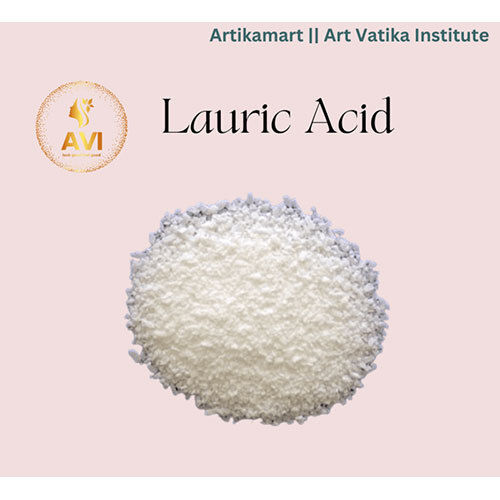
Tell us about your requirement

Price:
Quantity
Select Unit
- 50
- 100
- 200
- 250
- 500
- 1000+
Additional detail
Mobile number
Email

More Products in Chemical Ingredients Category
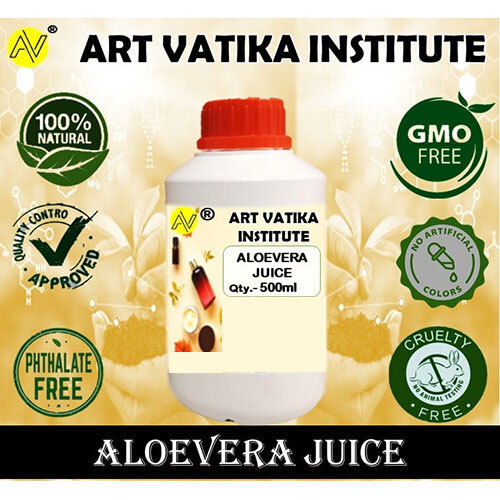
Aloevera Clear Juice
Price 150.0 INR / Bottle
Minimum Order Quantity : 1 Bottle
Ph Level : 3.5 4.5
Application : Other , Health drink, skin care beverage, food and nutraceutical use
Physical Form : Liquid
Shape : other, Liquid form (bottle packaging)
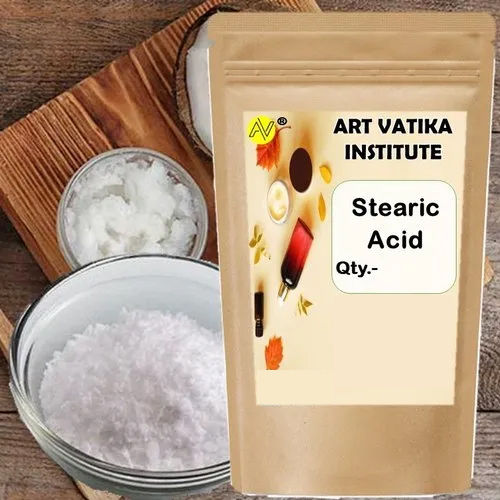
Stearic Acid
Price 201.0 INR / Kilograms
Minimum Order Quantity : 1 Kilograms
Ph Level : Neutral
Application : Industrial
Physical Form : Powder
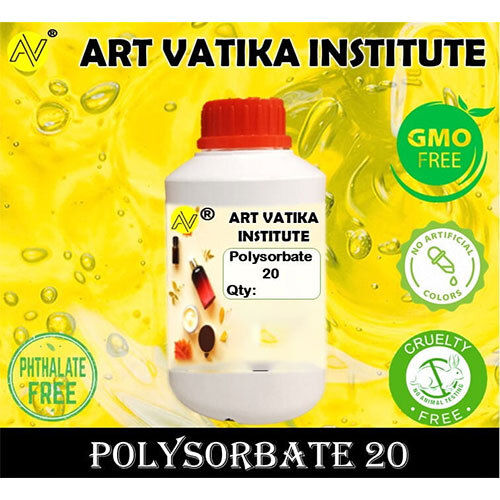
Polysorbate 20
Price 60 INR / Gram
Minimum Order Quantity : 100 Grams
Ph Level : Neutral
Application : Industrial
Physical Form : Liquid
Shape : Irregular
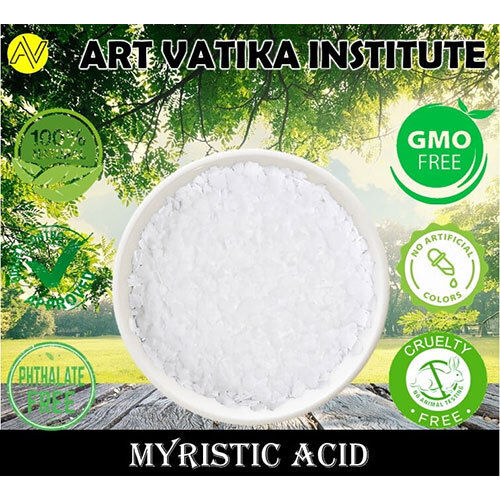
Myristic Acid
Price 60 INR / Gram
Minimum Order Quantity : 100 Grams
Ph Level : Neutral
Application : Industrial
Physical Form : Powder
Shape : Irregular

 Send Inquiry
Our Products
- Melt & Pour Soapbases
- Glass Jars
- Pet Jar
- Ingredients
- Cosmetic Butters
- Natural Oils
- Pet Bottles
- Fragrance Oil
- Caps
- Wax
- Cosmetic Colors
- Serum Bottles
- Acrylic Jars
- Candle Material
- Essential Oils
- Bottles & Packaging
- Carrier Oils
- Readymade Products
- Silicon Molds
- Equipments & Utilities
- Bakery Items
- Candle Molds
- Soap Molds
- Resin Molds
- Chocolate and Cake Molds
- Miscellaneous
- Chemical Ingredients
- Shampoo Surfactants
- Conditioner
- Preservatives
- Clay Powders
- Specialty Actives
- Oil Soluble Aroma
- Premium Fragrance Oils
- Water Soluble Aroma
- Lipsafe Flavor Oil
- Lipsafe Pigments Oil Soluble
- Lipsafe Mica Pearl Pigment
- Pigments Oil Soluble
- MICA Powder Pearlescent Pigment
- Fluorescent Pigment Neon
- Water Soluble Cosmetic Color
- Glitter Shimmery Color
- Readymade Cosmetic
- Equipments


309, Basement, Sector 21C,Faridabad - 121001, Haryana, India

Mr. Harsh Aggarwal
(Proprietor)
Mobile :08071780400
 Send Inquiry
 Send SMS
 Call Me Free
Developed and Managed by Infocom Network Private Limited.


